Platform Components
Overview
An overview diagram of platform components along with a description of core OpenDSO platform components is below:
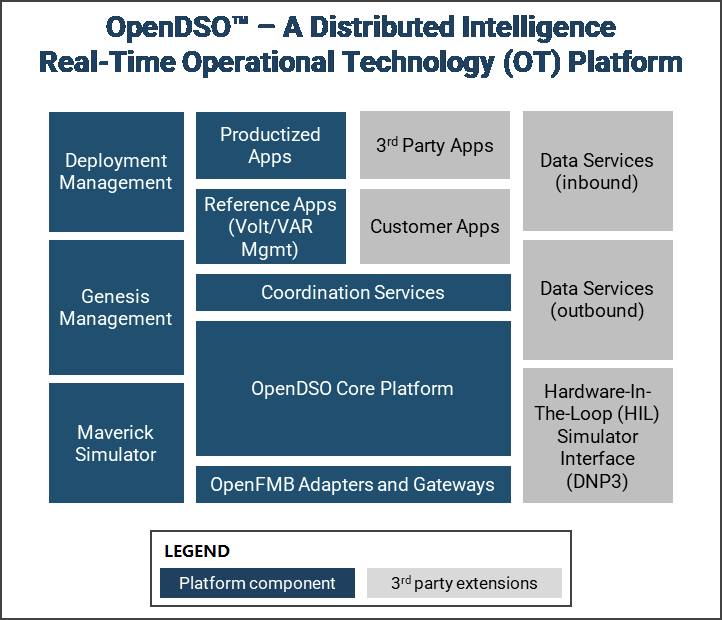
Figure 1 : OpenDSO Architectural Footprint for Grid-Edge IoT
OpenDSO Core Platform
Fundamental platform, management and IoT services that include:
-
NATS Publish-subscribe message bus, for communications and integration at the edge and between edge and back office
-
Distributed historian, for storing readings and statuses at the distributed node
-
Event service- Managing basic device events, providing configurable services to raise events for conditions that are ‘important’
-
Topology services
-
Security management
OpenFMB adapter/gateways
Core OpenFMB adapter framework along with adapters for various for various edge device protocols such as Modbus, DNP3, MQTT, Goose and Opened
Genesis Management Suite
The management console/front end for operators, business users and administrators through which they view and operate the platform and applications.
Applications
These could be one or more of:
- OES reference applications
- OES productized applications
- Apps built by / for customers / utilities and
- Third-party applications
Deployment Management
Manage the inventory, deployment and orchestration of containerized microservices/apps on any Kubernates plane using a combination of open-source software and OpenDSO management services
Coordination Services
The ability to configure distributed coordination of assets /across edge devices in the grid across multiple registered applications with potentially competing goals and the prioritization of applications within each layer of the distribution network
Data Services
External services we get information from (such as weather) or feed into (such as enterprise analytics)
Simulators
The Maverick circuit simulator is a software simulator to simulate the operation of distributed applications on the grid and verify their behavior. The platform also provides the ability to integrate more complex software and hardware in the loop (HIL) simulators for more comprehensive electrical modeling